

The Problem with Nature Writing...
Unless you're already interested in nature, you'll probably never read 'nature writing' and in the general scheme of things, nobody really cares.

I've often thought this and so when I read an article of the same name The Problem With Nature Writing by Johnathan Franzen I felt validated, then a bit down and disheartened.
It makes sense though doesn't it?
If you're not interested in politics, you won't invest time in learning about it, if you're not interested in fashion, you'll wear whatever’s available or cheap, if you aren't interested in gaming, you'll never play one online with your friends. You get the jist.
I get it. People are busy, stressed, often overwhelmed and have daily issues to attend to. They have worries about real stuff like money, family, their job etc. If ‘nature’ doesn't affect them directly then why expend any much needed energy worrying about hedgerows and hedgehogs.
As Frazen says:
To succeed—to get people to care about preserving the world—it can’t be only about nature.
I've seen some really discouraging examples of people not caring about nature recently in my local area. On Facebook I've seen people asking for recommendations for gardeners to cut down a tree in their garden because it ‘puts seeds all over the garden’. This is in nesting season. Equally, I've just witnessed a gardening company rip out metres upon metres of conifer hedging and installing a fence. I'm not against fences of course, but again this is in nesting season and the amount of much needed safety and habit those hedges must have provided for wildlife must have been enormous. I was horrified. The conifer hedging trees were cut down and immediately fed straight into the chipper. It made my blood boil. I see this happening all over my locality, particularly for development. Multiply that by thousands when you consider the picture nationally. No wonder habitat loss is the biggest driver of species extinction.
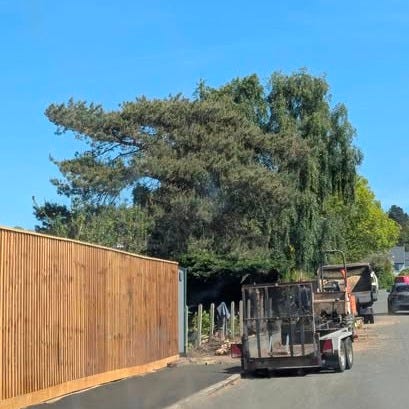
I've seen people discussing how to board up their eaves as swifts have just flown thousands of miles to nest in them, causing an issue by pooping everywhere. Then there's slug pellets, rat poison, incessant tidying of gardens, spraying insecticide and don't get me started on relaxing the house building laws.
But I can see your eyes glazing over. I'm guilty of it myself (not ripping out hedging) but not wanting to be told what to do, told how to live, told what matters and what doesn't, what I should or shouldn't be interested in.
But, as Frazen explains in his article:
I’m also mindful, as a writer, that we live in a world where nature is rapidly receding from everyday life. There’s an urgent need to interest nonbelievers in nature, to push them toward caring about what’s left of the nonhuman world
As an aspiring nature writer, I've asked myself, where should I write about my antagonism with the people who don't seem to care? How to I present my views and hopes for the natural world? How can I make a difference or at least try to make a difference?
The natural answer is through my writing, but then that's where it gets sticky. Or as Shakespeare said, ‘there's the rub.’
So who are the nature writers who are getting it right? The ones that Franzen would argue are weaving opinion and essential messaging into their prose and therefore encouraging us care. And more importantly, how are they achieving that balance of nature and narrative.
